
Seed banks are key to survival by ensuring food security, as well as preserving diverse plants threatened by climate change.
Saving Seeds— National Geographic education
Below are some notable seed banks. As important are native culture seed banks to protect indigenous seeds.
Svalbard Global Seed Vault (Norway)– the largest in the world.
Duke University’s Seed Bank (USA)
USDA National Seed Storage Laboratory (USA)
Millennium Seed Bank (UK) Kew Gardens
Learn more:
Indigenous Seed Preservation Efforts on Tribal Lands – Indian Reservations
About Seed Savers Network Kenya – Indigenous Seed Preservation, Agroecology & Farmer Empowerment
Seed Bank | University of Washington Botanic Gardens
The power of an indigenous seed to transform and transcend – ABN
(PDF) Indigenous Seeds, Seed Selection and Seed Bank for Sustainable Agriculture
Co-conserving Indigenous and local knowledge systems with seeds – ScienceDirect
For Indigenous people, seeds are more than food — they’re ‘members of an extended family’ | CBC News
(PDF) Traditional Seed Storage Practices: Lessons from Indigenous Knowledge
Frontiers | Processing, preservation, and value addition of indigenous food crops in West Africa
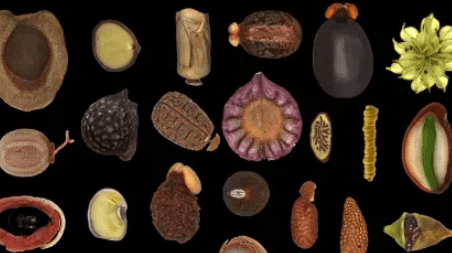
photo credit: Seed and Stress Biology | Kew


Leave a comment